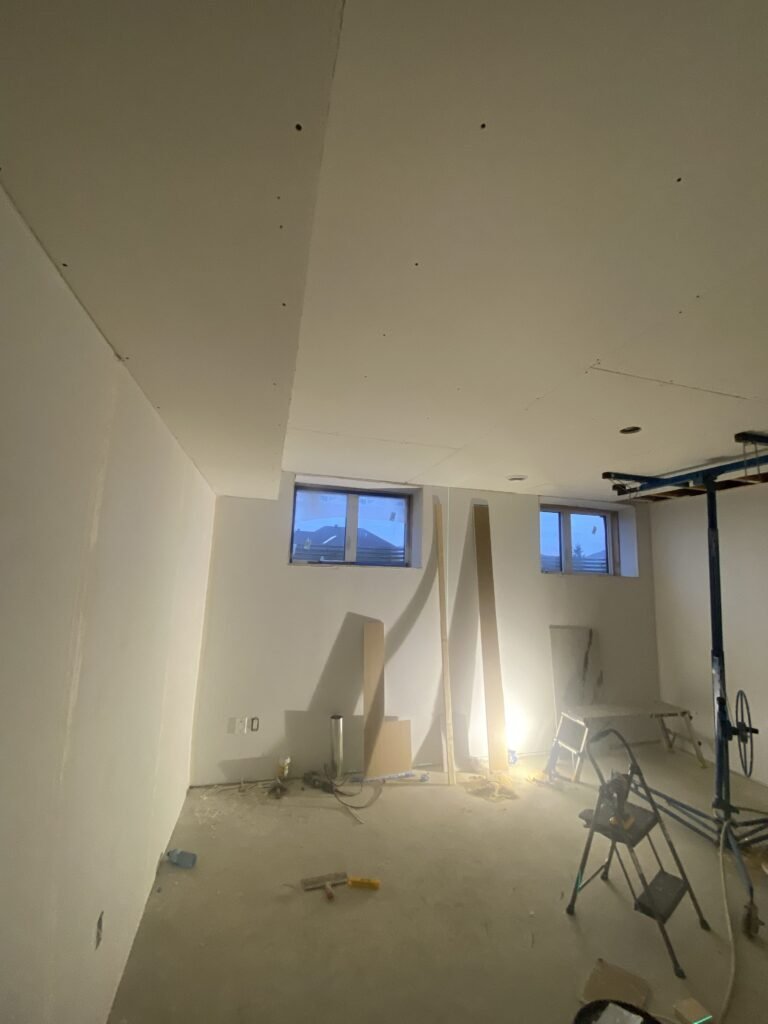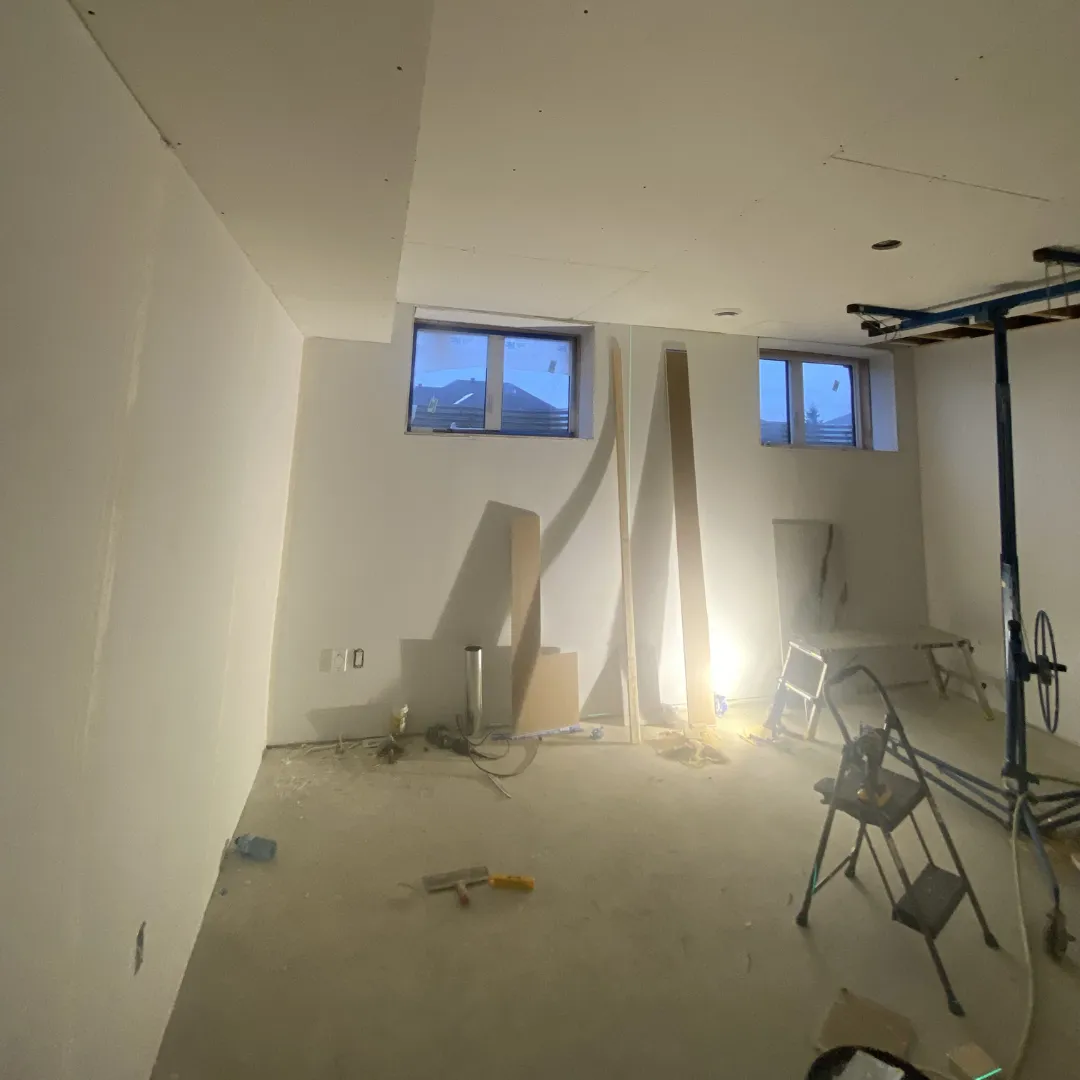

Drywall cracks are one of the most frustrating problems homeowners face. You patch them. You sand them. You repaint the wall. And a few months later, the crack is back in the exact same spot.
In Nepean and Gloucester ON, recurring drywall cracks are extremely common, especially in homes that have experienced settling, seasonal movement, basement finishing, or structural modifications. But the truth is this: drywall cracks that keep coming back are rarely just surface problems. They are symptoms.
Eliminating recurring drywall cracks requires more than cosmetic patching. It requires understanding why the crack formed in the first place, correcting the underlying issue, and repairing the wall properly so it stays repaired.
This guide explains why drywall cracks return, how professional drywall repair in Ottawa addresses the root cause, how framing and masonry affect drywall performance, and what homeowners in Nepean and Gloucester should know before repairing cracks again.
Why Drywall Cracks Are So Common in Ottawa Homes
Homes in Nepean and Gloucester experience natural structural movement due to:
• Seasonal temperature shifts
• Freeze-thaw cycles
• Soil expansion and contraction
• Humidity changes
• Foundation settling
• Framing shrinkage over time
Even well-built homes move slightly. Drywall, however, does not flex easily. When framing or foundation elements shift, drywall joints become stress points. Those stress points often appear as cracks.
The key difference between a crack that can be fixed easily and one that keeps returning is the cause.
The Most Common Types of Drywall Cracks
Not all drywall cracks are the same. Identifying the crack type is the first step in proper repair.
1. Hairline Cracks Along Seams
These usually appear along taped joints. Causes may include:
• Poor taping technique
• Insufficient joint compound
• Framing movement
• Drywall shrinkage
If the original drywall installation was rushed, seam cracks are common.
2. Cracks at Corners of Doors and Windows
These cracks are often diagonal and extend outward from corners.
They usually indicate:
• Framing stress
• Structural shifting
• Poor reinforcement around openings
Door and window openings are stress concentration points in framing.
3. Ceiling Cracks
Ceiling cracks are often caused by:
• Joist movement
• Truss uplift
• Poor drywall fastening
• Seasonal structural shifts
Ceiling cracks are particularly visible because lighting highlights them.
4. Recurring Vertical or Horizontal Wall Cracks
These cracks may follow stud lines or foundation lines.
Common causes include:
• Foundation settling
• Inconsistent framing
• Moisture expansion
• Previous poor repairs
Why Patching Alone Does Not Work
Many homeowners in Nepean and Gloucester try to repair drywall cracks with:
• Spackle
• Light sanding
• Paint touch-ups
While this may hide the crack temporarily, it does not address the stress behind it.
If the framing continues to move or the joint was never reinforced properly, the crack will return.
Effective drywall repair requires:
• Removing weak compound
• Reinforcing the joint
• Correcting screw or fastening issues
• Stabilizing framing if needed
• Applying multiple compound coats
• Proper sanding and finishing
The Hidden Role of Framing in Recurring Cracks
Drywall depends on framing stability.
If framing behind the drywall is:
• Uneven
• Shifting
• Poorly secured
• Not properly aligned
• Lacking adequate support
Cracks are almost guaranteed to reappear.
In basement renovations, especially in Nepean and Gloucester, framing issues often occur when:
• Walls were framed too tightly against foundation walls
• Moisture was not considered
• Stud spacing was inconsistent
• Structural supports were altered
Before repairing recurring drywall cracks, framing should be inspected. Straight walls make every renovation better, and they prevent repeated cracking.
Foundation and Masonry Issues That Cause Cracks
In some cases, drywall cracks are symptoms of masonry or foundation movement.
Homes in Ottawa experience soil movement due to moisture cycles. This can lead to minor foundation shifts.
Signs the crack may be foundation-related include:
• Cracks that widen over time
• Multiple cracks in the same area
• Cracks near basement walls
• Cracks paired with sticking doors
If foundation cracks are present, masonry repair may be needed before drywall repair.
Patching drywall without addressing foundation movement is a temporary fix.
Drywall Repair in Basements: Special Considerations
Basement drywall repair in Nepean and Gloucester requires extra attention.
Basements often experience:
• Higher humidity
• Minor moisture seepage
• Temperature differences
• Foundation wall proximity
Recurring basement cracks may be caused by:
• Moisture expansion
• Inadequate vapor barriers
• Framing attached improperly to foundation
• Foundation hairline cracks
Before repairing basement drywall, moisture conditions should be evaluated.
The Correct Way to Repair Recurring Drywall Cracks
Professional drywall repair follows a structured process.
Step 1: Assess the Cause
Determine whether the crack is cosmetic, framing-related, or foundation-related.
Step 2: Remove Damaged Material
Loose compound and tape must be removed.
Step 3: Reinforce the Joint
Apply high-quality joint tape or mesh and ensure proper bonding.
Step 4: Secure the Drywall
Add screws where needed to reduce movement.
Step 5: Apply Multiple Coats
Feather compound in thin layers for strength and smoothness.
Step 6: Sand and Finish
Sand evenly and prepare for primer and paint.
Rushing any of these steps increases the likelihood of recurrence.
How Lighting Reveals Poor Repairs
In Nepean and Gloucester homes, modern lighting such as:
• Pot lights
• Track lighting
• Large windows
• LED strips
Highlights wall surfaces.
Even slight drywall imperfections become visible.
Professional repair should leave a seamless, paint-ready surface that disappears under lighting.
When Cracks Indicate Larger Structural Issues
Sometimes drywall cracks are early warning signs.
If cracks are accompanied by:
• Sloping floors
• Doors that stick consistently
• Window misalignment
• Large foundation cracks
• Persistent moisture
A broader structural assessment may be required.
Structural framing adjustments, masonry repair, or foundation sealing may need to be completed before drywall repair.
Handyman vs Professional Drywall Repair
Handyman services are appropriate for:
• Small nail holes
• Minor dents
• Single hairline cracks
However, recurring cracks often require professional drywall repair expertise.
A professional approach ensures:
• Proper joint reinforcement
• Structural assessment
• Moisture evaluation
• Seamless finishing
Repeated DIY patching often costs more over time.
Preventing Future Drywall Cracks
While some movement is natural, homeowners can reduce recurring cracks by:
• Maintaining stable indoor humidity
• Addressing foundation cracks early
• Repairing masonry issues promptly
• Ensuring framing is secure during renovations
• Using proper insulation and vapor barriers in basements
Preventative maintenance reduces stress on drywall joints.
The Impact of Quality Drywall on Home Value
Buyers notice wall cracks immediately.
Even small cracks can create doubt about:
• Structural stability
• Renovation quality
• Maintenance history
Clean, smooth drywall improves perceived home value and buyer confidence.
In Nepean and Gloucester’s competitive markets, well-maintained walls make a difference.
Conclusion: Fix the Cause, Not Just the Crack
Drywall cracks that keep coming back are not random. They are signals.
In Nepean and Gloucester ON, recurring cracks are often linked to:
• Framing movement
• Seasonal shifts
• Foundation settling
• Poor previous repairs
• Moisture issues
True drywall repair eliminates cracks by addressing the root cause, reinforcing the joint properly, and ensuring structural stability.
If you want cracks to stop returning, the solution is not more patching. It is better planning, better reinforcement, and correcting the underlying issue.
When drywall is repaired properly, walls stay smooth, paint-ready, and durable for years to come.