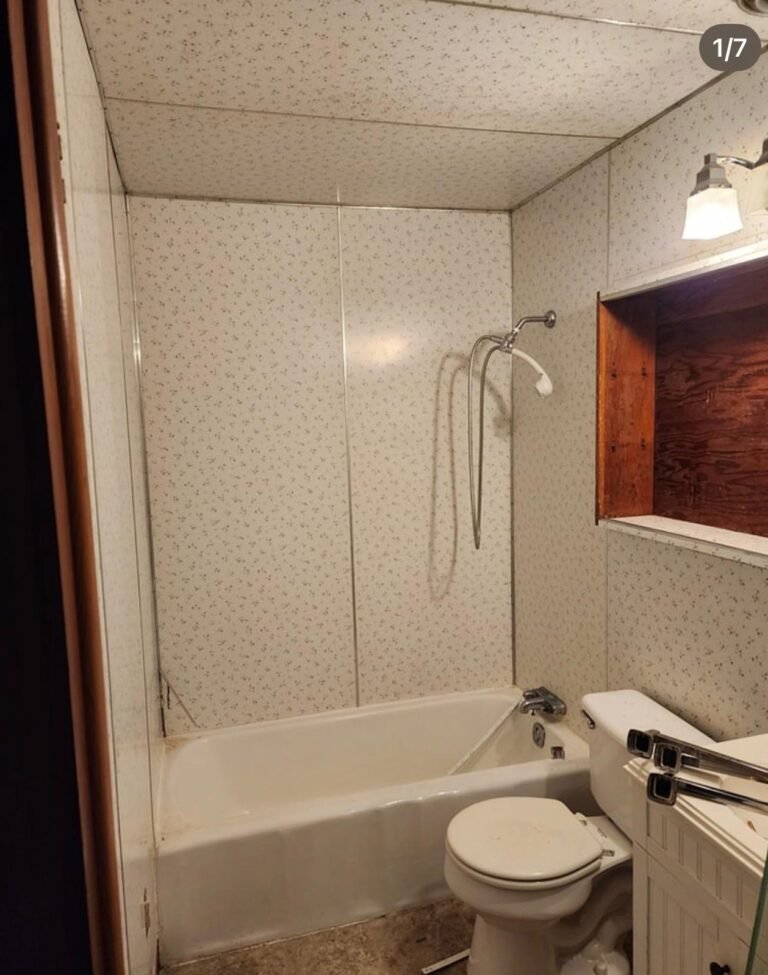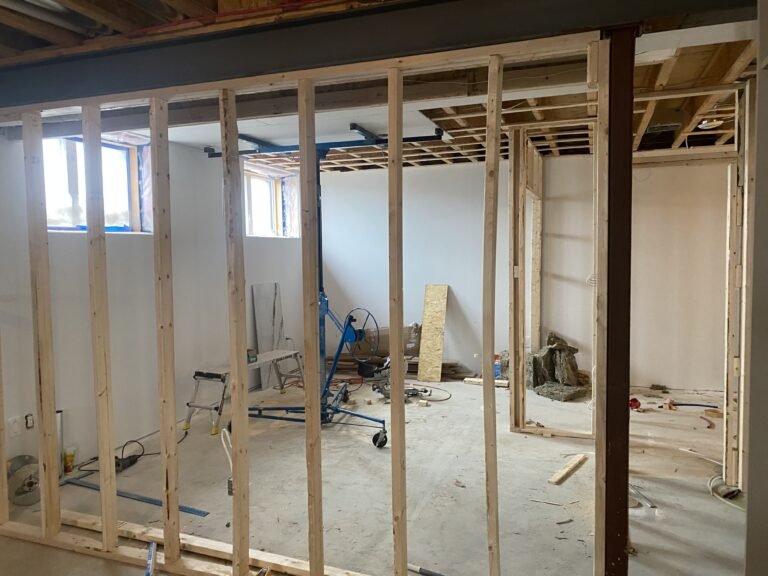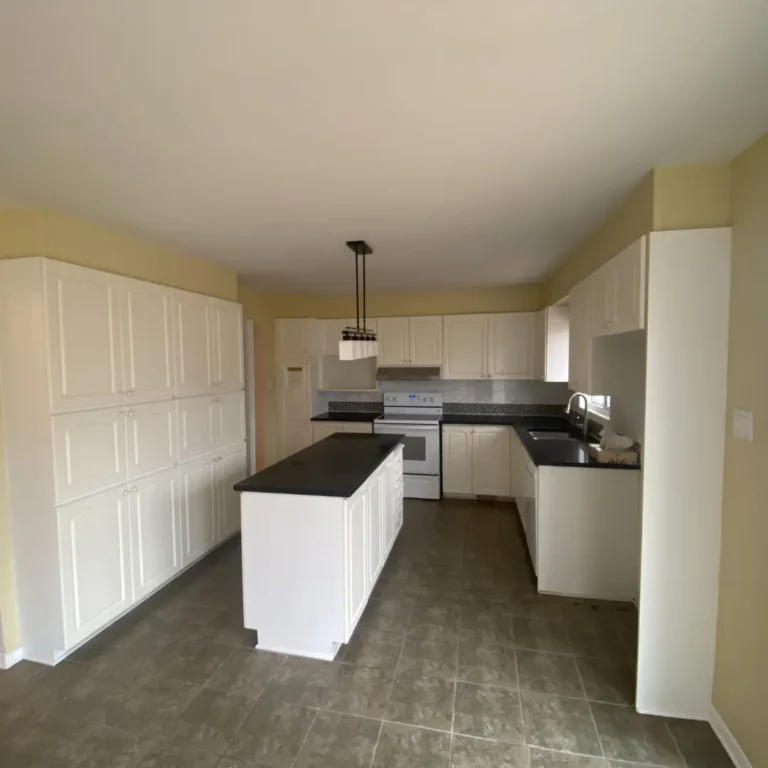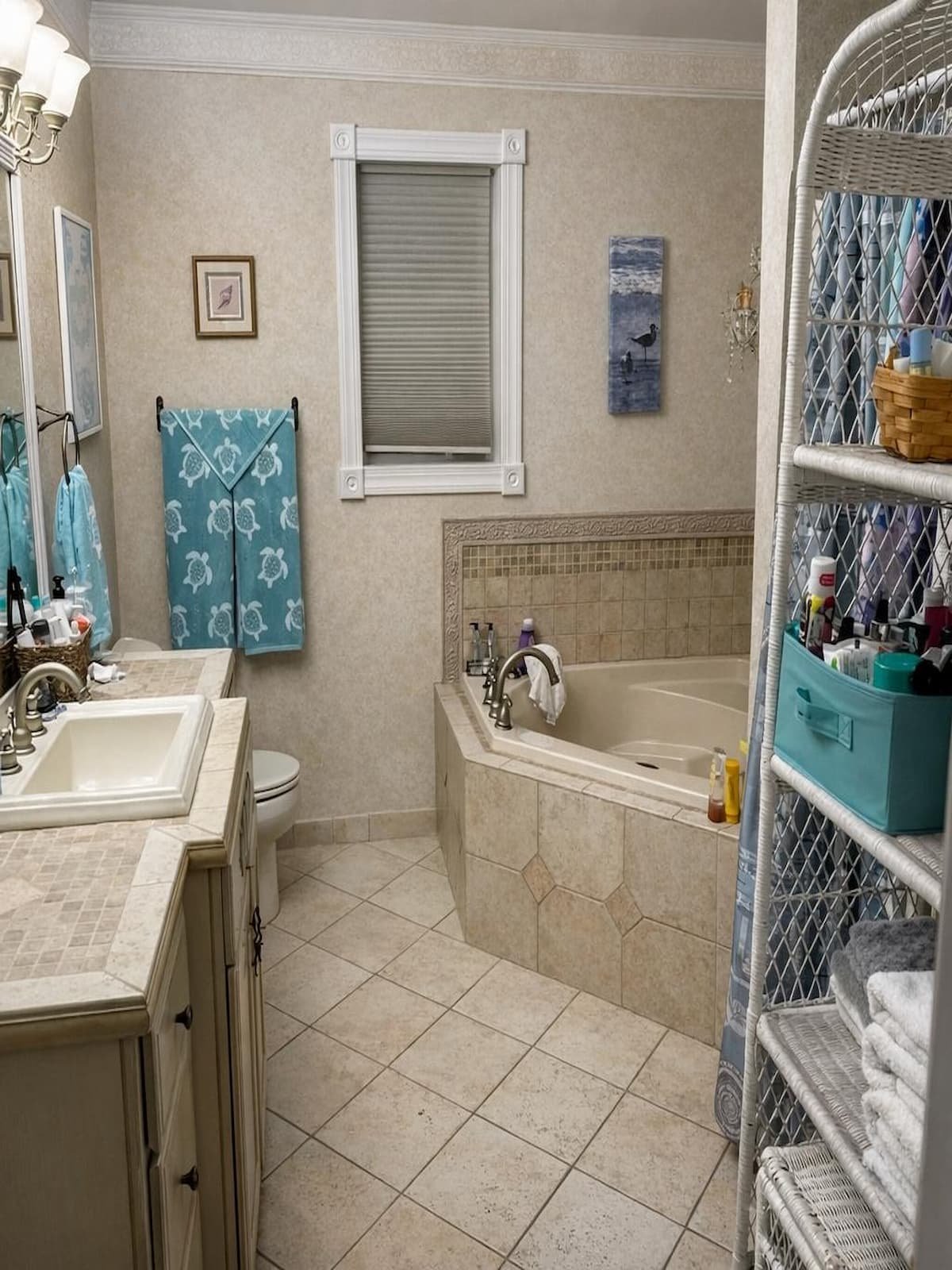

Home renovation planning in Vanier, Ottawa is one of the most important steps homeowners can take before starting any construction work. Yet it is also the step most often rushed.
Many renovation problems do not come from bad intentions or poor design ideas. They come from lack of planning. And in Vanier, where many homes include older construction, unique layouts, and a mix of renovated and original structural elements, proper planning is the difference between a renovation that stays on track and one that becomes stressful, expensive, and unpredictable.
Mid-project cost surprises are one of the most common reasons homeowners regret renovations. They can force rushed decisions, reduce finish quality, stretch timelines, and create tension around budgeting.
The goal is not to eliminate surprises entirely. Renovations always involve unknowns. The goal is to reduce risk and build a plan that protects your home, your budget, and your timeline.
This guide explains how homeowners in Vanier can plan renovations properly, why budgets often grow mid-project, and what steps prevent costly surprises during framing, drywall installation, masonry work, basement finishing, and general home renovations.
Why Renovation Planning Matters More in Vanier
Vanier homes often have characteristics that make renovation planning especially important:
• Older framing systems
• Settling foundations
• Mixed materials from past renovations
• Hidden plumbing or electrical upgrades
• Basements with moisture history
• Brick and masonry exterior elements
• Layouts that were designed for older living styles
Even when a renovation appears straightforward, older homes can hide problems behind drywall, under flooring, or inside walls.
Without proper planning, these discoveries happen mid-project, when work is already underway and decisions must be made quickly.
The Most Common Mid-Project Cost Surprises
To avoid cost surprises, you first need to understand what causes them.
Here are the most common renovation surprises homeowners face in Vanier.
1. Hidden Water Damage
Water damage may be hidden behind drywall, under flooring, or in basements.
Once demolition begins, homeowners may discover:
• Mold behind walls
• Rotting framing
• Damp insulation
• Soft subfloors
Water damage repairs often require additional framing, drywall replacement, and moisture protection work.
2. Foundation and Masonry Issues
Vanier homes often include masonry elements such as:
• Brick exterior walls
• Concrete foundation walls
• Older mortar joints
• Chimneys
• Stone steps
Masonry issues may not be visible until closer inspection. Cracks, mortar deterioration, or moisture penetration can require repairs before renovation work continues.
3. Structural Framing Problems
Many older homes have framing that is:
• Out of square
• Uneven
• Settled over time
• Modified improperly in past renovations
If framing is uneven, drywall installation and finish work become more difficult and expensive.
4. Electrical and Plumbing Upgrades
Even if your renovation is focused on walls and layout, older systems may need updating.
Surprises include:
• Wiring that is not up to modern standards
• Outdated electrical panels
• Plumbing that must be relocated
• Venting issues in bathrooms or basements
These upgrades add cost and time.
5. Layout Changes That Expand the Scope
Many homeowners start with a renovation idea and then expand it mid-project.
For example:
• Renovating one room becomes renovating two rooms
• A basement finishing plan becomes adding a bathroom
• A drywall upgrade becomes structural wall removal
Scope creep is one of the most common reasons budgets grow.
Step One: Define the Renovation Scope Clearly
The most effective way to avoid cost surprises is to define scope before starting.
A clear scope includes:
• What rooms are included
• What work will be done
• What will not be done
• What finishes are expected
• What structural changes are required
• What timeline is realistic
Instead of planning vaguely, homeowners should list:
• Must-haves
• Nice-to-haves
• Optional upgrades
This prevents decision overload mid-project.
Step Two: Prioritize Structural and Moisture Concerns First
In Vanier, renovation planning should always start with structural and moisture considerations.
That includes:
• Basement moisture evaluation
• Foundation crack inspection
• Masonry condition assessment
• Framing stability review
If you renovate finishes first, you may later discover structural issues that require demolition of new work.
Smart renovation planning prevents paying twice.
Step Three: Plan the Renovation Sequence Correctly
Renovation work must follow a specific order.
A common renovation sequence includes:
- Inspection and planning
- Demolition
- Masonry repairs if needed
- Structural framing and reinforcement
- Electrical and plumbing rough-ins
- Insulation and vapor barriers
- Drywall installation
- Drywall finishing
- Flooring installation
- Trim and doors
- Painting
- Final hardware and finishing
When renovations are done out of order, homeowners often face rework costs.
Step Four: Build a Contingency Budget
A contingency budget is not extra money for upgrades. It is protection against unknowns.
In Vanier, a realistic contingency is:
• 10% for newer homes
• 15% for older homes
• 20% if you suspect hidden issues
This prevents panic when unexpected repairs are discovered.
Step Five: Understand What Causes Budget Creep
Budget creep happens when small decisions add up.
Examples include:
• Upgrading flooring material
• Choosing more expensive lighting
• Adding extra pot lights
• Selecting premium trim
• Expanding drywall work
• Adding built-in storage
• Adding a bathroom in the basement
Each decision may seem small, but together they can significantly increase costs.
Planning these choices early keeps the budget stable.
Step Six: Choose Materials Based on Value, Not Just Style
Material selection is one of the biggest renovation cost factors.
In Vanier, smart renovation planning involves choosing materials that match:
• The home’s value
• The neighborhood market
• The homeowner’s long-term plans
• Durability needs
Mid-range materials often provide the best balance of appearance and cost.
Choosing luxury finishes in a home that does not require them can lead to overbuilding and overspending.
Step Seven: Plan for Drywall and Framing Quality
Drywall and framing are often underestimated in renovation planning.
But they affect every visible finish.
If framing is uneven, drywall will show seams and waves.
If drywall finishing is rushed, paint will highlight flaws.
Planning for quality drywall installation prevents:
• Visible seams
• Cracks that return
• Uneven corners
• Poor lighting reflection
Smooth, paint-ready drywall is one of the most important outcomes of any renovation.
Step Eight: Do Not Ignore Masonry and Foundation Concerns
If your home has:
• Foundation cracks
• Moisture staining
• Brick deterioration
• Mortar gaps
These issues must be addressed early.
Masonry repairs protect basement renovations and prevent future drywall damage.
Ignoring masonry issues is one of the most common causes of renovation regret.
Step Nine: Use Handyman Services Strategically
Handyman services can support renovation planning by completing small tasks that improve the home without expanding the project.
Examples include:
• Minor drywall repairs
• Door adjustments
• Trim repairs
• Small masonry fixes
• Storage installation
Handyman work is often a cost-effective way to reduce renovation scope while still improving comfort.
Step Ten: Make Decisions Before Construction Starts
Many mid-project cost surprises are not surprises at all. They are decisions made too late.
Before renovation begins, homeowners should decide:
• Flooring type
• Paint colors
• Trim style
• Lighting plan
• Door styles
• Storage needs
• Layout details
Waiting until mid-project forces rushed decisions and increases costs.
Step Eleven: Plan for Permits and Inspections When Needed
Certain renovations require permits.
These may include:
• Structural wall removal
• Basement bedroom additions
• Plumbing changes
• Electrical panel upgrades
• New basement bathrooms
A general contractor can help determine when permits are required. Planning for permits prevents delays and inspection issues.
Step Twelve: Expect Some Unknowns, But Control What You Can
Even the best planning cannot eliminate every unknown.
But it can control:
• Scope
• Budget structure
• Renovation sequence
• Material decisions
• Risk management
The goal is to reduce uncertainty, not pretend it does not exist.
Conclusion: Renovation Planning Prevents Cost Surprises in Vanier
Home renovation planning in Vanier, Ottawa is the most important investment homeowners can make before starting construction.
Mid-project cost surprises usually come from:
• Hidden moisture damage
• Masonry issues
• Structural framing problems
• Outdated electrical or plumbing systems
• Poor sequencing
• Scope creep
By defining scope, prioritizing structural stability, planning for drywall and framing quality, addressing masonry early, and building contingency into the budget, homeowners can renovate with confidence.
A well-planned renovation is not just cheaper. It is smoother, faster, and far less stressful.
If you want a renovation that stays on track, planning is where success begins.