
Structural renovations are some of the most impactful upgrades a homeowner can make. Removing walls, reconfiguring layouts, reinforcing beams, expanding living areas, or finishing basements can completely transform how a home functions. But in Nepean, Ottawa, structural changes must be approached carefully, strategically, and professionally.
This is where general contractors play a critical role.
A general contractor is not just someone who manages trades. In structural renovations, the general contractor becomes the coordinator of safety, sequencing, framing precision, drywall integration, masonry awareness, building code compliance, and long-term durability.
Planning structural changes the right way protects your investment, prevents costly mistakes, and ensures your home remains stable for decades.
This guide explains how structural renovations should be planned in Nepean, what general contractors actually do during these projects, and how proper framing, drywall installation, masonry services, and basement finishing all connect when altering a home’s structure.
What Counts as a Structural Change?
Many homeowners are unsure whether their renovation is structural or cosmetic.
Structural changes typically include:
• Removing load-bearing walls
• Adding support beams
• Installing new posts
• Enlarging window openings
• Reconfiguring staircases
• Lowering basement floors
• Expanding rooms
• Creating open-concept layouts
• Modifying roof structures
• Building additions
• Reinforcing sagging floors
If a renovation affects how weight is distributed through the home, it is structural.
In Nepean, many homes built in earlier decades were designed with compartmentalized layouts. Modern homeowners often want open concepts, larger kitchens, or expanded living spaces. Achieving that safely requires structural planning.
Why Structural Planning Is So Important in Nepean
Nepean has a mix of older homes and newer developments. Structural planning matters in both cases, but for different reasons.
In older homes, there may be:
• Aging framing
• Settling foundations
• Outdated support systems
• Previous renovations done improperly
• Hidden structural modifications
In newer homes, structural work must integrate with engineered systems and follow strict building code requirements.
Poor structural planning can result in:
• Floor sagging
• Cracked drywall
• Door misalignment
• Long-term movement
• Safety risks
• Failed inspections
This is why structural renovations should never be rushed.
The Role of a General Contractor in Structural Renovations
A general contractor in Nepean coordinates all aspects of a structural renovation.
This includes:
• Assessing existing structure
• Identifying load-bearing elements
• Planning beam and post installation
• Sequencing demolition safely
• Coordinating framing crews
• Managing inspections
• Overseeing drywall installation
• Ensuring masonry repairs are addressed
• Maintaining building code compliance
• Coordinating electrical and plumbing changes
Structural renovations are multi-step processes. The order of operations matters significantly.
Removing a Wall: What Really Happens Behind the Scenes
One of the most requested renovations in Nepean is removing a wall to create open concept living.
What homeowners often see:
A wall disappears.
What actually happens:
- The wall is assessed to determine if it is load-bearing.
- Temporary supports are installed to hold ceiling loads.
- A structural beam is selected based on span and load.
- Posts are positioned to transfer weight safely to the foundation.
- Framing adjustments are made.
- Electrical wiring inside the wall is relocated.
- Drywall is repaired and finished.
- Flooring transitions are corrected.
- Ceiling lines are blended seamlessly.
Without proper planning, removing a wall can create long-term structural movement and visible drywall cracking.
Framing: The Core of Structural Integrity
Framing is the backbone of any structural renovation.
In Nepean, structural framing must:
• Be straight and level
• Properly distribute load
• Integrate with existing studs
• Anchor securely to foundation
• Align with ceiling joists
• Allow for proper drywall installation
Straight walls are critical after structural changes. If framing is uneven, drywall seams crack and trim misaligns.
Structural framing is not simply about building walls. It is about ensuring the entire house remains balanced and stable.
Basement Structural Changes in Nepean
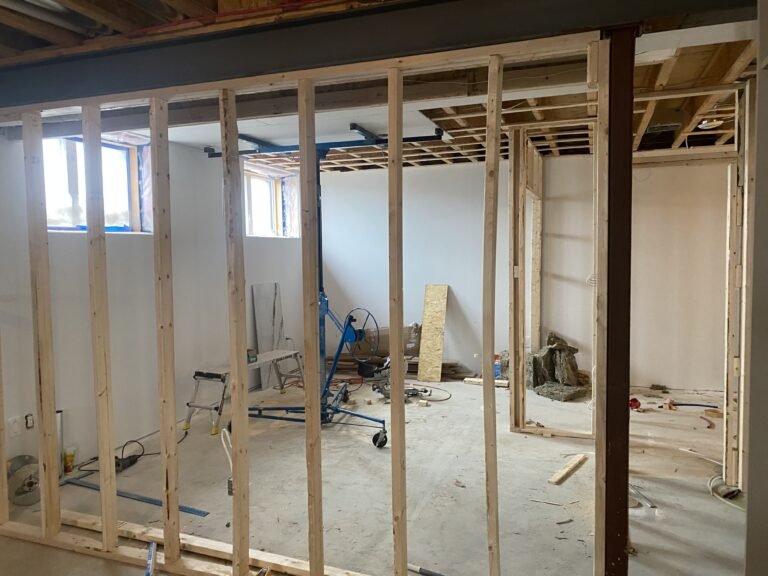
Basement renovations often involve structural adjustments.
Common examples include:
• Adding basement bedrooms
• Creating secondary suites
• Adjusting stair openings
• Lowering basement floors
• Reinforcing beams
• Installing support posts
Before finishing a basement with drywall and flooring, structural elements must be stable.
Basement framing also requires moisture awareness. Framing must allow for insulation and vapor barriers to prevent long-term damage.
Masonry Considerations in Structural Renovations
Structural changes often connect to masonry systems.
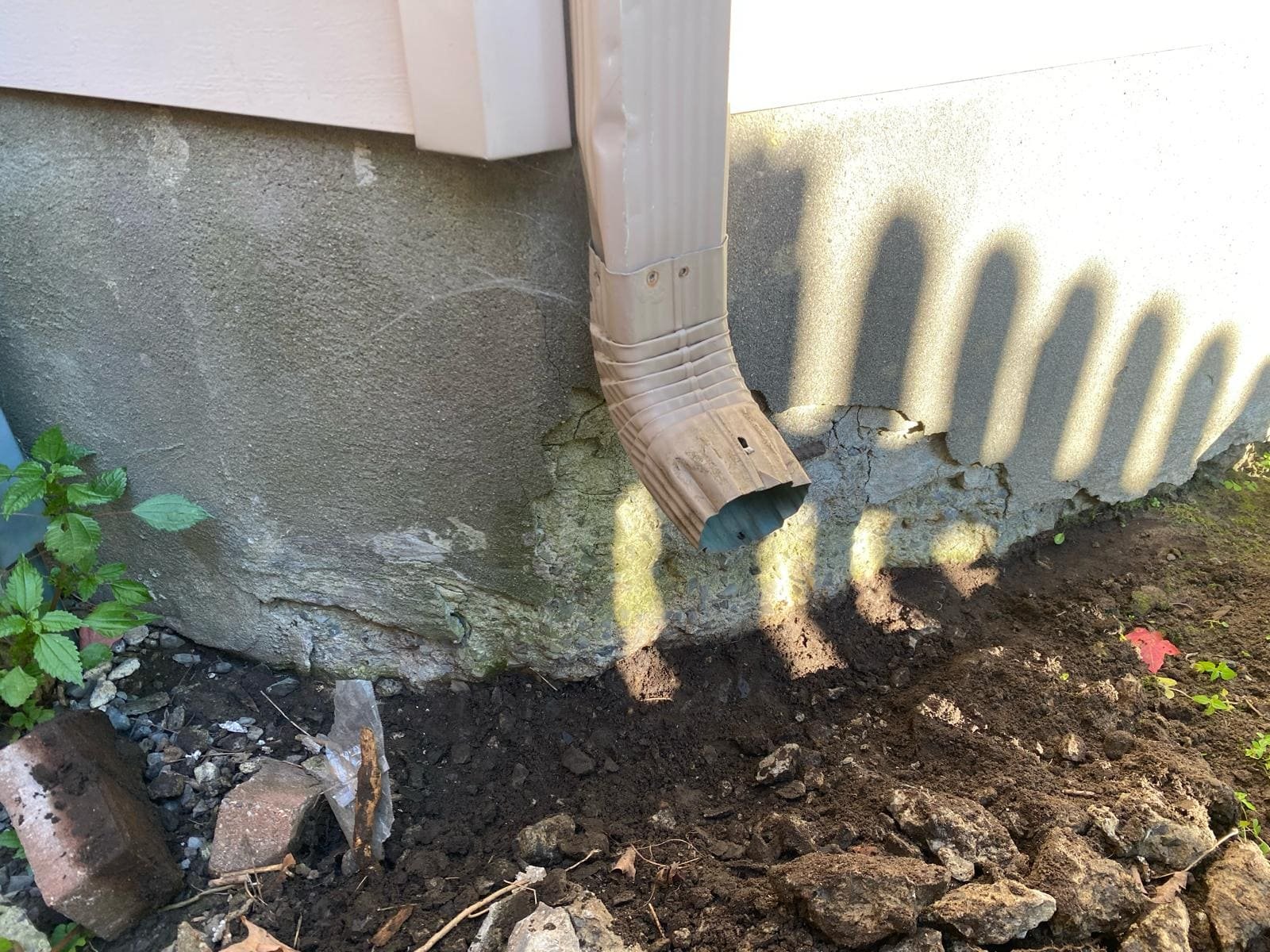
In Nepean homes, foundation walls support framing above. If masonry issues exist, they must be addressed before structural modifications.
Common masonry-related structural concerns include:
• Foundation cracks
• Brick deterioration
• Mortar joint failure
• Uneven concrete surfaces
• Water infiltration
Ignoring masonry issues while making structural changes increases risk.
A well-planned renovation integrates framing and masonry corrections simultaneously.
Drywall Installation After Structural Changes
After structural framing is complete, drywall installation restores visual continuity.
However, drywall is not just cosmetic.
Proper drywall installation:
• Covers beam installations cleanly
• Blends new and old ceilings
• Reinforces corners
• Prevents seam cracking
• Creates smooth paint-ready walls
Drywall finishing must be carefully feathered around new beams and posts to avoid visible transitions.
Poor drywall work after structural changes can make a renovation look incomplete.
Planning Structural Changes Without Budget Surprises
Structural renovations often have more variables than cosmetic upgrades.
To plan properly:
1. Conduct a Thorough Assessment
Before demolition begins, inspect framing, foundation, and ceiling structures.
2. Build Contingency Into the Budget
Structural renovations often require a contingency buffer.
3. Sequence Trades Correctly
Framing, electrical, plumbing, drywall, and inspections must follow proper order.
4. Avoid Mid-Project Scope Expansion
Adding extra changes during structural work increases complexity and cost.
Signs You May Need Structural Work
Homeowners in Nepean should consider structural evaluation if they notice:
• Sagging floors
• Large drywall cracks
• Doors that will not close properly
• Ceiling dips
• Repeated foundation cracks
• Uneven transitions between rooms
• Sloping floors
These signs indicate that cosmetic fixes alone may not solve the issue.
Structural Changes and Resale Value
Open layouts and functional designs are highly attractive in Nepean’s housing market.
Buyers appreciate:
• Open-concept kitchens
• Reinforced beams without visible sagging
• Clean drywall finishes
• Properly aligned doors
• Stable floors
• Finished basements
However, buyers also look for signs of structural instability. Poorly executed renovations reduce confidence.
Well-planned structural changes increase perceived value and buyer trust.
The Difference Between a Renovation Contractor and a Handyman
Handyman services are excellent for:
• Minor framing repairs
• Drywall patching
• Small masonry touch-ups
• Door adjustments
However, structural changes require:
• Load calculations
• Proper beam selection
• Secure post placement
• Code compliance
• Inspection coordination
Structural planning is beyond the scope of minor repairs.
Long-Term Durability After Structural Renovations
A properly planned structural renovation should result in:
• Stable floors
• Straight walls
• Crack-resistant drywall
• Smooth ceiling transitions
• Reinforced load paths
• Long-lasting framing stability
When structural changes are done correctly, they feel invisible. The home simply functions better.
Conclusion: Planning Structural Changes the Right Way in Nepean
Structural renovations in Nepean, Ottawa require more than demolition and rebuilding. They require planning, coordination, and professional oversight.
General contractors play a crucial role in:
• Identifying load-bearing elements
• Reinforcing framing
• Integrating masonry repairs
• Managing drywall installation
• Coordinating inspections
• Protecting long-term stability
When structural changes are planned the right way, homeowners gain more space, better flow, improved functionality, and increased value without sacrificing safety.
If you are considering removing walls, finishing a basement, reinforcing framing, or making structural adjustments in Nepean, careful planning is not optional. It is the foundation of a renovation that lasts.