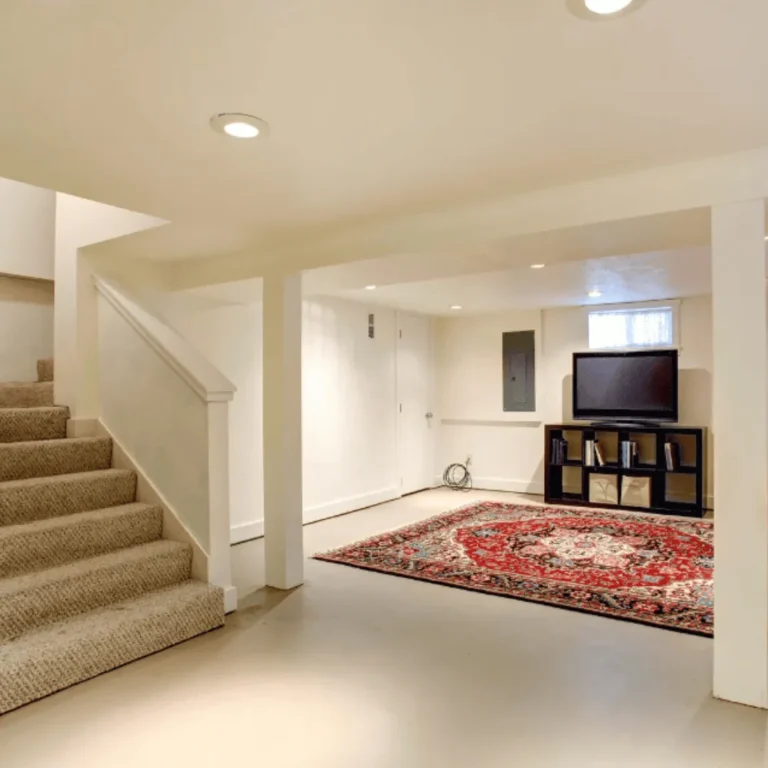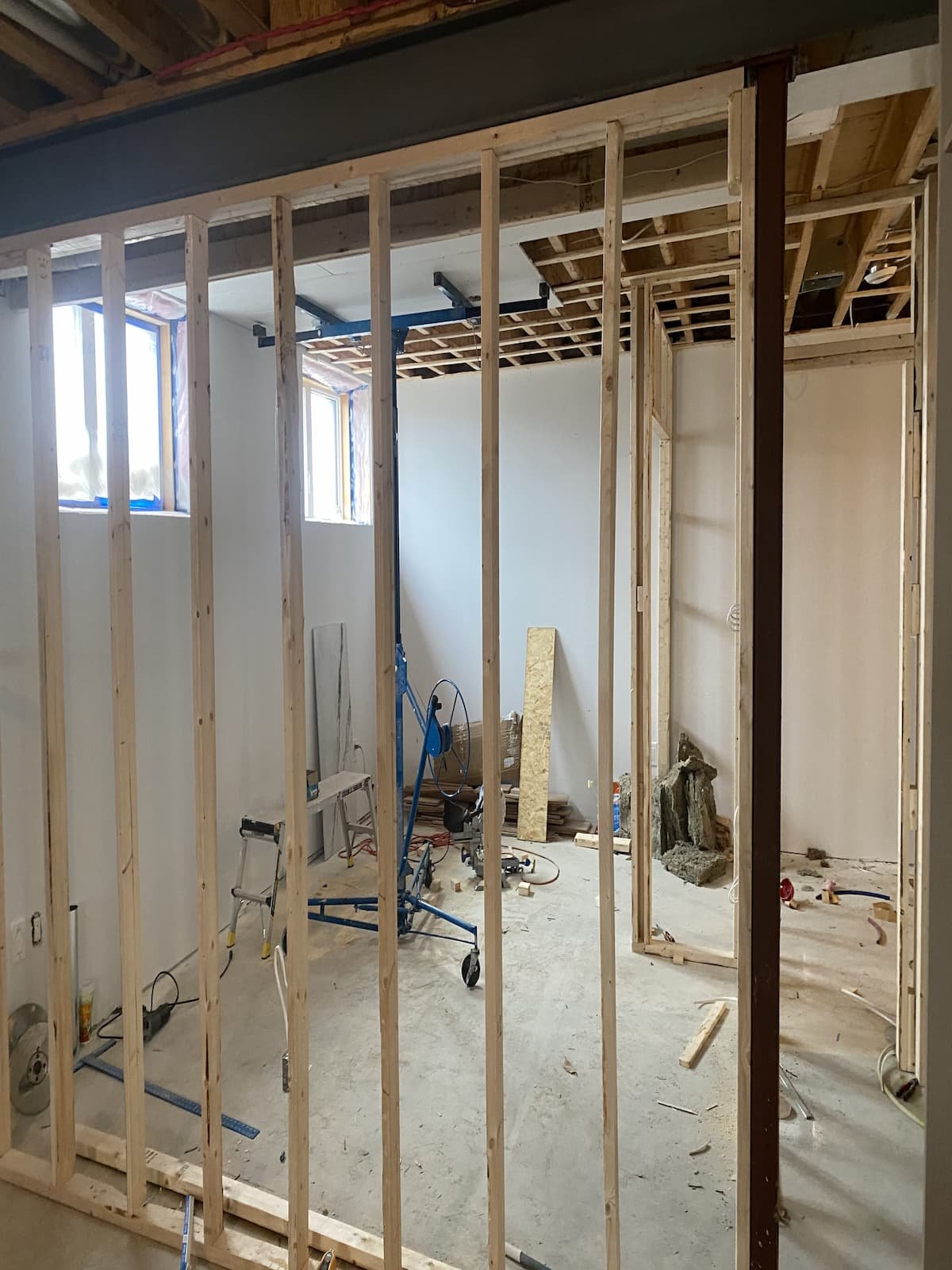

Basement framing in Kanata and Orléans ON is one of the most important stages of any basement renovation. While homeowners often focus on flooring, lighting, paint colors, or layout design, the real success of a finished basement depends on what is built behind the walls.
Framing is the structural skeleton that supports drywall, doors, trim, insulation, electrical systems, and everything else that makes a basement feel like a true living space. If framing is done correctly, the basement will feel solid, straight, warm, and integrated with the rest of the home. If framing is rushed or uneven, problems will show up in crooked walls, drywall cracks, door alignment issues, and long-term durability concerns.
In Kanata and Orléans, where many homes are built with unfinished basements ready for development, basement framing is often the first major step in turning unused square footage into valuable living space. But framing below grade is not the same as framing on upper levels. It requires moisture awareness, structural planning, precision alignment, and coordination with masonry and insulation systems.
This guide explains why basement framing matters so much, how it supports finishing success, and what homeowners in Kanata and Orléans should know before starting their basement renovation.
Why Basement Framing Is Different From Main Floor Framing
Basements are unique environments. Unlike upper floors, basement walls often sit directly against concrete foundation walls. They are exposed to:
• Soil pressure
• Ground moisture
• Seasonal freeze-thaw cycles
• Temperature differences
• Limited natural light
• Mechanical systems like ductwork and plumbing
Because of these factors, basement framing must be planned carefully to ensure:
• Proper moisture separation
• Straight and level wall alignment
• Adequate insulation space
• Code-compliant ceiling heights
• Secure anchoring to concrete
Framing that works perfectly on a main floor may not be suitable for a basement without adjustments.
The Role of Framing in Basement Finishing
When homeowners in Kanata or Orléans plan basement finishing, framing is what transforms an open concrete space into defined rooms.
Framing determines:
• Room layout
• Bedroom placement
• Office zones
• Bathroom rough-in walls
• Storage areas
• Bulkheads around ductwork
• Staircase enclosures
• Door openings
It is the stage where vision becomes structure.
A well-framed basement makes drywall installation easier, trim cleaner, and flooring transitions seamless. Straight walls make every renovation better because everything that follows depends on them.
Moisture Management and Framing: The Critical Connection
One of the most important considerations in basement framing is moisture control.
In Kanata and Orléans, basements must account for:
• Groundwater pressure
• Foundation cracks
• Humidity levels
• Seasonal temperature shifts
Framing should never sit directly against a foundation wall without proper moisture planning. Proper basement framing includes:
• Moisture barriers where required
• Insulation systems that prevent condensation
• Air gap planning
• Secure anchoring methods
• Sealing rim joists
If framing is installed improperly, moisture can become trapped behind walls, leading to:
• Mold growth
• Soft drywall
• Structural rot
• Persistent basement odours
• Flooring damage
Building a strong foundation for finishing success starts with moisture-smart framing.
Structural Stability: Why Precision Matters
Basement framing must be:
• Plumb (perfectly vertical)
• Level (horizontally aligned)
• Square (accurate corner angles)
• Securely anchored
Even slight framing misalignment can cause:
• Crooked doors
• Uneven drywall seams
• Trim gaps
• Visible wall waves
• Ceiling transitions that look uneven
In Kanata and Orléans, many homeowners are finishing basements to add bedrooms, recreation rooms, or rental suites. These spaces should feel like natural extensions of the home. Precision framing ensures they do.
Basement Bedrooms: Framing for Safety and Code Compliance
Adding a bedroom during basement finishing is common in both Kanata and Orléans.
However, bedroom framing must meet specific requirements, including:
• Proper egress window openings
• Correct window well dimensions
• Adequate ceiling height
• Safe door placement
• Structural reinforcement around openings
Improper framing can result in failed inspections or costly modifications later.
Basement bedrooms must also include sound insulation planning within the framing cavities. This improves privacy and comfort.
Bulkheads and Ceiling Framing
Basement ceilings often include:
• Ductwork
• Plumbing lines
• Electrical conduits
• Structural beams
Framing bulkheads around these systems requires careful planning.
Bulkheads should:
• Be straight and symmetrical
• Minimize ceiling height loss
• Integrate cleanly with drywall
• Maintain structural support
Poor bulkhead framing creates awkward shapes and uneven drywall transitions.
Framing and Drywall Installation: Working Together
Drywall installation is only as good as the framing beneath it.
If studs are:
• Twisted
• Uneven
• Misaligned
• Spaced incorrectly
Drywall seams may crack or appear uneven.
Smooth, paint-ready drywall requires solid, straight framing. In finished basements, lighting often highlights wall surfaces. Any framing inconsistencies become visible once paint is applied.
Planning drywall installation during the framing stage ensures better final results.
Framing and Masonry Awareness
Before framing begins, foundation walls should be inspected.
In both Kanata and Orléans, masonry issues such as:
• Hairline cracks
• Mortar deterioration
• Efflorescence
• Minor water seepage
Should be addressed first.
Framing over masonry problems does not fix them. It hides them. If water intrusion continues behind framed walls, future drywall damage is almost guaranteed.
A strong foundation for finishing success literally begins with the masonry.
Layout Planning During Framing
Framing is the stage where layout flexibility is determined.
Smart layout planning includes:
• Future-proofing space for growing families
• Designing multi-use recreation rooms
• Allocating storage areas
• Planning office zones
• Allowing for future bathroom additions
• Creating separate utility access areas
Framing should consider both current needs and potential future changes.
For example, an open recreation area can be framed in a way that allows future wall additions without major demolition.
Soundproofing and Insulation During Framing
Basement comfort depends heavily on insulation and soundproofing.
Framing cavities are where insulation is installed. Proper planning includes:
• Insulation between studs
• Soundproofing between floors
• Sealing gaps to reduce air movement
• Addressing rim joist insulation
Without insulation planning, basements may feel cold in winter and humid in summer.
Soundproofing is especially important when adding:
• Basement bedrooms
• Home offices
• Media rooms
Framing is the stage where these comfort factors are integrated.
Avoiding Common Basement Framing Mistakes
Homeowners in Kanata and Orléans should avoid these common errors:
1. Framing Without Moisture Planning
This leads to mold and drywall damage.
2. Ignoring Minor Foundation Cracks
Small cracks can spread behind finished walls.
3. Poor Door Opening Alignment
Crooked framing results in sticking doors.
4. Inconsistent Stud Spacing
This affects drywall support and structural stability.
5. Rushing Layout Decisions
Changing layout mid-framing increases cost and delays.
Framing and Long-Term Durability
Basement framing should be built to last decades, not just until the drywall is installed.
Properly framed basements provide:
• Stable walls
• Reduced drywall cracking
• Improved energy efficiency
• Clean trim installation
• Solid door alignment
• Durable finish support
Durability begins with structure.
Basement Framing and Resale Value
Finished basements are highly attractive in Kanata and Orléans real estate markets.
Buyers value:
• Extra bedrooms
• Recreation space
• Clean drywall finishes
• Straight walls
• Solid door alignment
• No visible cracking
Quality framing improves the overall perception of craftsmanship.
When to Combine Framing With Other Renovation Services
Basement framing often works alongside:
• Masonry repairs
• Electrical rough-ins
• Plumbing installation
• Insulation upgrades
• Drywall installation
• Small handyman adjustments
Planning these services together reduces delays and prevents rework.
Conclusion: Strong Framing Builds Finishing Success
Basement framing in Kanata and Orléans ON is the structural foundation that determines whether a basement renovation feels temporary or permanent.
When framing is done correctly, it supports:
• Smooth drywall
• Clean trim
• Stable doors
• Moisture protection
• Energy efficiency
• Long-term durability
A finished basement should feel like part of the home, not a converted storage space.
Building a strong foundation for finishing success begins with precision framing, thoughtful layout planning, moisture awareness, and structural integrity.
If you are planning basement finishing in Kanata or Orléans, framing is not just a step in the process. It is the backbone of the entire renovation.